

Hi there,
If you’ve ever tried to run a business with the person you share a bed (and a grocery list) with, you already know the truth: love is great… but a shared calendar is undefeated. 💍📋
This issue is all about copreneurs—couples building companies together—and what separates the “we’re fine” phase from the “why are we arguing about Slack?” phase. We’ll dig into the systems that keep romance from turning into a 24/7 stand-up meeting, plus the practical stuff most couples avoid until it’s urgent: money talks, role clarity, tie-breaker rules, and the contingency plans that make the whole thing feel less fragile.
Let’s get into it.
|
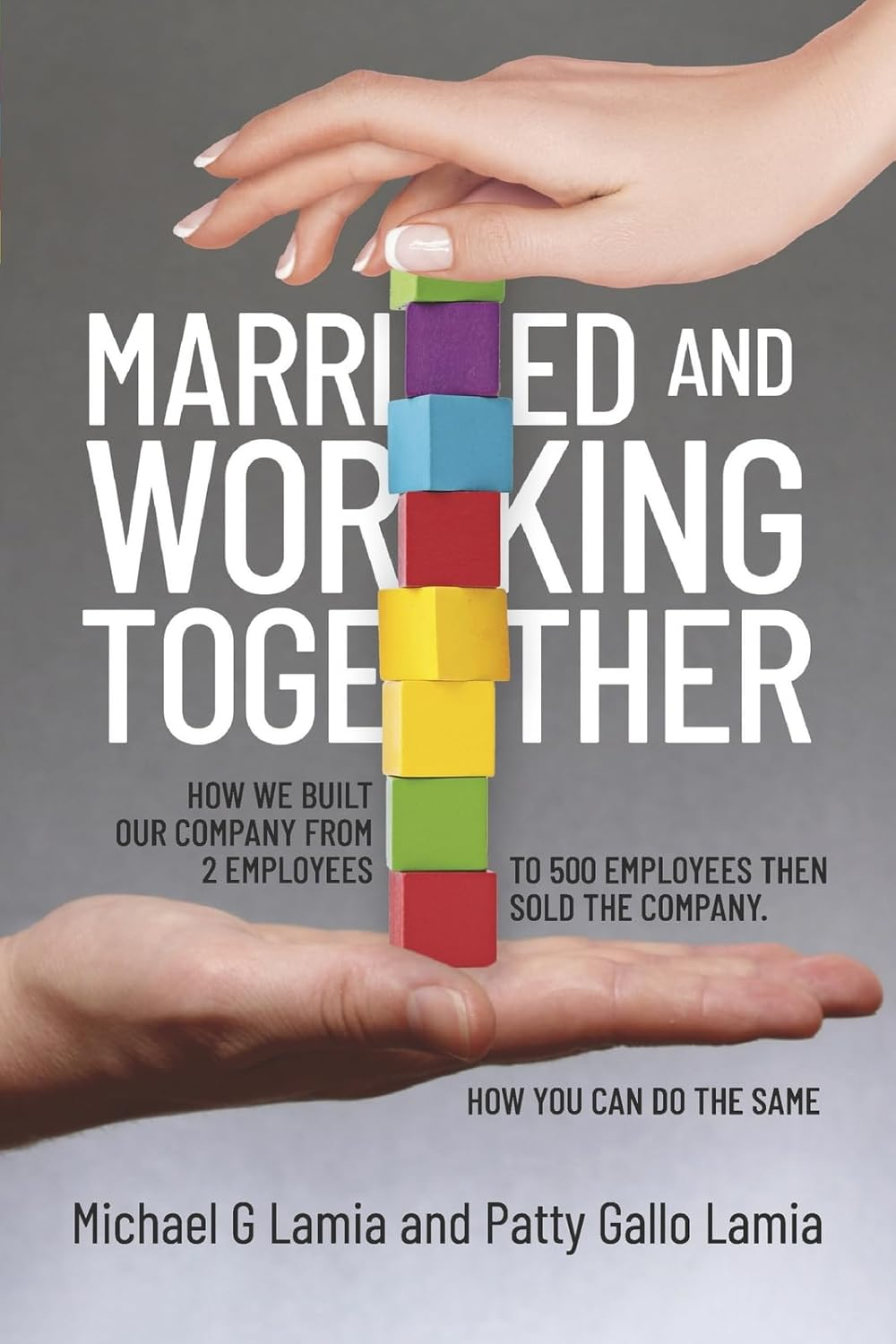
📰 Upcoming in this issue
Love, Logistics, and the Shared Calendar 💍📋
Marriage + Work: Stronger Together 💍💼
When Your Spouse Is Your Best Business Partner 🇺🇸💍💼
📈 Trending news
Article published: January 22, 2026

In Shopify’s “Couples in Business: How Successful Copreneurs Make It Work,” I followed the unglamorous truth behind romantic entrepreneurship: the relationship doesn’t power the business—systems do.
This article frames “copreneurs” as couples who sign up for back orders and burnout alongside love, then grounds it with a stat-studded reality check: married couples own about 1 in 10 employer businesses, and romantic partners run nearly a quarter of small businesses when you include unmarried couples.
Through Larroudé’s Ricardo Larroudé and Jaxon Lane’s Jen Yu, the advice gets tactical fast—talk money and timelines before you talk branding, divide roles by strengths, and decide how deadlocks get resolved before you ever hit one.
The most intriguing thread is how conflict gets “engineered” out: counseling, structured feedback, assistants, and meetings that keep home from becoming a nonstop stand-up.
The punchline is oddly comforting: if you can design your communication, your boundaries, and your contingency plans, you don’t have to choose between the relationship and the company.
Key Takeaways
💸 Talk money before romance meets payroll: plan timelines, salary gaps, insurance, and resentment risks early—most businesses won’t pay off fast.
🧩 Split roles by strengths, not fairness: organic divisions prevent bottlenecks; revisit responsibilities when growth changes what each role demands.
🗳️ Design decision rules in advance: agree on who owns day-to-day calls, how you break ties, and when a third party decides.
🧱 Boundaries need structure, not vibes: schedule “work meetings,” set timeouts at home, and create systems (even assistants) to reduce friction.
Marriage + Work: Stronger Together 💍💼 read the full 711-word article here
Article published: August 31, 2025

Patty and I keep coming back to this theme: when you’re married and working together, you’re not just building revenue—you’re building optionality for the family.
A job can disappear with a meeting invite.
A business built together doesn’t vanish; it adapts.
Maybe one of you keeps the steady paycheck and benefits while the other builds the first clients.
Maybe you carve out 10 hours a week as a couple—one handling the service, one handling the outreach, both owning the plan.
Because when the economy gets noisy, the best thing you can do for your marriage is stop gambling your future on one employer’s decision.
Key Takeaways
🧨 Layoffs don’t just cut jobs—they shake households: When income uncertainty rises, couples need a plan that protects the family unit.
🤝 Copreneurship creates stability: One spouse can keep benefits while the other builds clients, turning risk into a coordinated strategy.
🧩 Divide roles like a real team: Work together: one sells, one delivers, one tracks finances—whatever fits your strengths and time.
☂️ Build the umbrella before the storm: Use 10 hours a week to start; it’s easier to grow together than to scramble alone.
When Your Spouse Is Your Best Business Partner 🇺🇸💍💼 read the full 410-word article here
Article published: August 1, 2025

For married teams like ours, lower taxes don’t just mean “nice numbers”—they mean more cash flow you can actually use together: reinvest in the business, build a buffer, or take a distribution without guilt.
I also keep an eye on the equity markets, and after the tariff-driven dip earlier in the year, we’re seeing a rebound that feels like confidence returning.
And confidence is what allows couples to plan—because planning is hard when every decision feels like survival.
This edition also tees up something I think every couple should discuss at the dinner table: layoffs are still showing up in industries people once considered safe, and that reality is exactly why building “our own thing” matters.
When you run a business together, you’re not just chasing profit—you’re buying certainty for your household.
Key Takeaways
💍 Tax policy hits the household: guaranteed rates + immediate expensing can raise profits, improving the family’s cash flow and flexibility.
💸 Cash flow creates choices: reinvest together, build reserves, or take owner distributions—money becomes a tool, not a stressor.
📈 Markets reflect confidence: a rebound after tariff-driven declines supports planning, borrowing, and growth decisions for small business owners.
🏠 Layoffs are the dinner-table topic: “safe” industries aren’t guaranteed, so couples benefit from building a shared contingency business.
|
Why It Matters
If there’s a theme across today’s stories, it’s this: working together doesn’t work because you’re compatible—it works because you’re intentional. The couples who thrive don’t “wing it” with vibes and good intentions; they design the boring parts (money, roles, boundaries, decision rules) so the relationship doesn’t have to carry the load.
And that’s why this matters. A business can be stressful, but it can also be a buffer—more optionality, more stability, more choices when the economy gets noisy. If you and your partner are building something (or thinking about it), start small: carve out the 10 hours, pick clear lanes, and decide how you’ll handle friction before it shows up.
See you in the next edition,

Michael Lamia
Author, Married and Working Together
Passionate about building businesses together with the ones we love the most.